KHOJ Locations
KHOJ Surat
Viruses and sustainability, explored through hands-on zones built for curious young visitors.
A New KHOJ in Surat
KHOJ Surat covers hot topics: viruses and sustainability. The museum allows visitors to explore the entire existence of viruses and builds a better understanding of what sustainability is.
What visitors will find
- Virosphere — an exploration of the existence of viruses and the misconceptions people carry about them, noting that some viruses are good for us.
- Sustainable Living — content that helps children grasp what sustainability means.
- Activity Area — stations for drawing, painting, sculpting and DIY work.
The aim is to communicate sustainable development goals to children in an age-appropriate, hands-on way.
Three Zones
Explore, Understand, Make
Virosphere
Follow the story of viruses through the exhibit space, sorting out common misconceptions and seeing how viruses exist in the world around us.
Sustainable Living
A themed set of displays that helps young visitors understand sustainability and connect it to everyday choices.
Activity Area
Drawing, painting, sculpting and DIY stations where children put ideas into practice with their own hands.
Planned for the whole family. KHOJ Surat is being developed as a joint initiative of Manthan Education Programme Society (MEPS) and Kindermuseum Vienna, in line with the wider KHOJ network of locations.
Khoj Museum is a joint initiative that presents science, innovation and everyday life as hands-on play, with exhibits designed for children, families and curious visitors of every age. Rather than asking guests to look passively, the museum encourages people to touch, participate and build understanding through exploration. Interactive zones, activity tables and themed installations turn complex ideas into experiences that linger in memory long after a visit ends, and every gallery is shaped around inquiry, movement and a sense of fun.
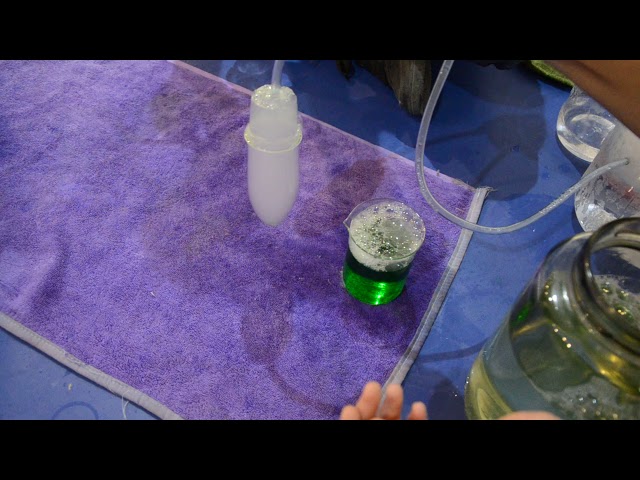
The Surat chapter of Khoj is devoted to two pressing themes: viruses and sustainability. Visitors move through a Virosphere-style exploration that traces the existence of viruses, confronts common misconceptions and points out that some viruses are beneficial to humans. Alongside it, a Sustainable Living area introduces children to what sustainability actually means, using simple, everyday examples such as soap, bubbles and household routines so that abstract concepts become graspable, playable and genuinely engaging.
Every exhibit in this developing stage is built to invite participation. Zones are arranged so that children can experiment, ask questions, observe results and try things for themselves, supported by guides and gallery hosts who help deepen the experience without handing over the answers. The design philosophy favours process over prescription, creativity over instruction, and layered detail that rewards repeat visits. In this way the museum acts as a bridge between formal science and daily lived experience.
Khoj Surat also functions as a platform for wider collaboration. Alongside public visits, the museum works with partners, supporters and civic organisations on events, workshops, screenings and participatory projects, including postcard and poster style competitions that reach beyond the building. Regular programming keeps the galleries alive with new questions and fresh material, while online films, videos and virtual tours extend the experience to those who cannot attend in person. The result is a growing, connected museum community rooted in curiosity.